Travel Date: April 2026
This week, I finally made the trip to Mount Vernon, Virginia. Despite living just a few hours away, I’d never visited before, so I was incredibly excited to document such a significant piece of history. My main goals for the day were the Mansion tour and, of course, the sprawling beauty of the Upper Gardens.
Our day began inside the Mansion. It was a lovely experience, though a bit of a whirlwind! Because the groups were large and moving quickly, it was a challenge to get clear shots of every room, but two specific details really caught my eye.
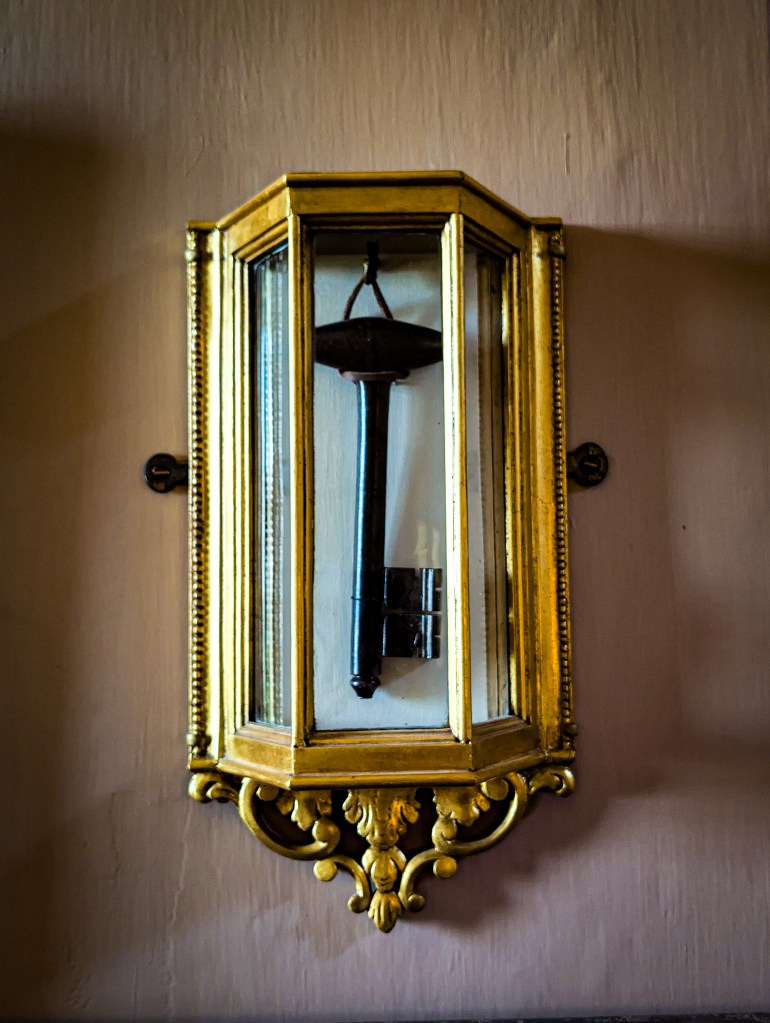
The first was perhaps the most impressive artifact in the house: a massive, one-pound iron key. It once unlocked the notorious Bastille prison in Paris—a heavy symbol of the French monarchy’s absolute power. The Marquis de Lafayette sent it to George Washington in 1790 as a “token of victory by Liberty over Despotism.” It has remained in the Mansion for over 200 years, a silent witness to the bond between two revolutions.
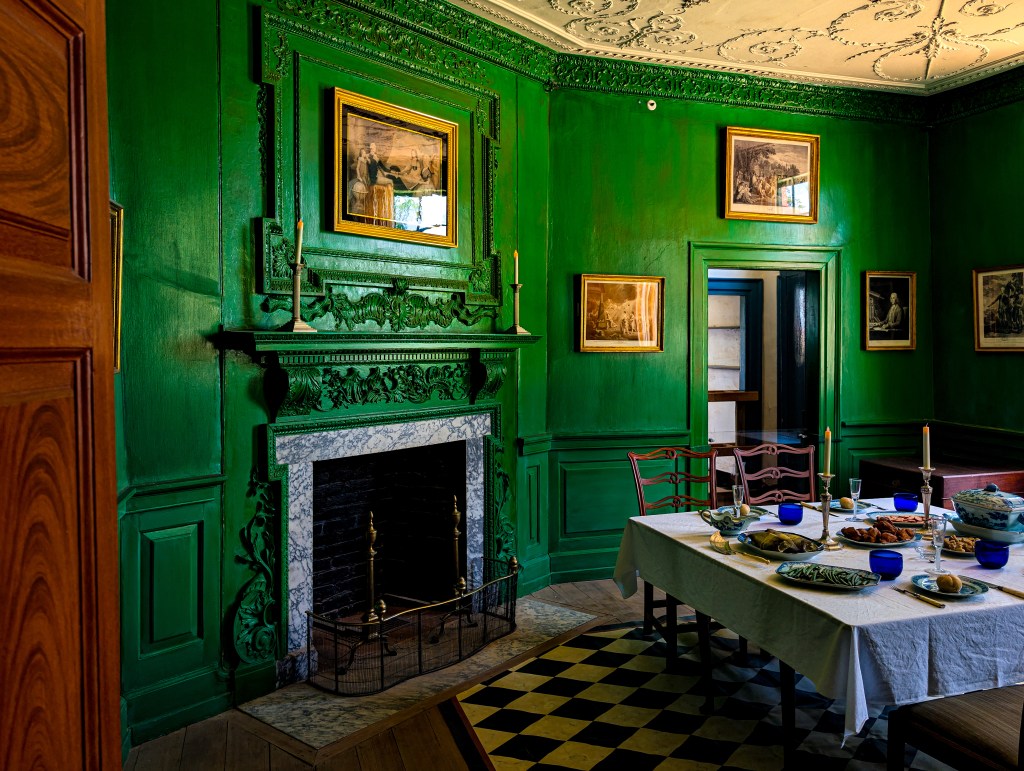
The second highlight was my favorite space in the house, though I can’t recall what the room was called. I was immediately struck by the vibrant, verdigris-green walls. Our guide mentioned that this specific shade was incredibly expensive and difficult to maintain in the 18th century because it was made using copper pigments. I loved the juxtaposition of that daring green against the classic black-and-white checkered floor. It’s a vivid reminder of how modern and bold Washington’s tastes really were.
After the Mansion, we headed to the Upper Garden—the absolute highlight of my trip. Washington designed this as a formal “pleasure garden” for his family and guests, a stark contrast to the utilitarian Lower Garden used for crops. It was the perfect excuse to slow down and practice some close-up photography. The blooms were so stunning that I walked away with far more images than I can fit here, but these were the ones I simply had to share.
Let’s start with this image.
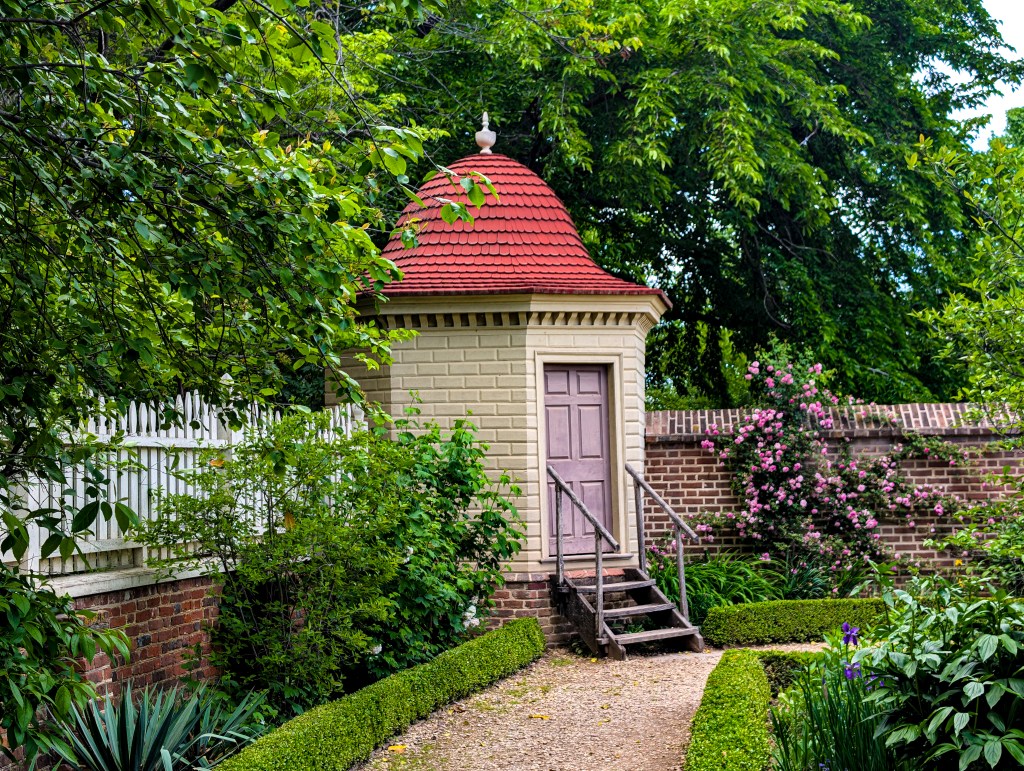
This view captures the transition from the structured paths of the Upper Garden to the garden’s brick perimeter. The low, meticulously manicured boxwood hedges lead the eye toward the historic octagonal building, while a climbing rose bush adds a soft, romantic touch to the weathered brick wall. It’s a beautiful example of the ‘pleasure garden’ style, where formal European design meets the wilder beauty of the American landscape.
Let’s begin with my favorite floral shot from the trip: this little rosebud on the cusp of a bloom.
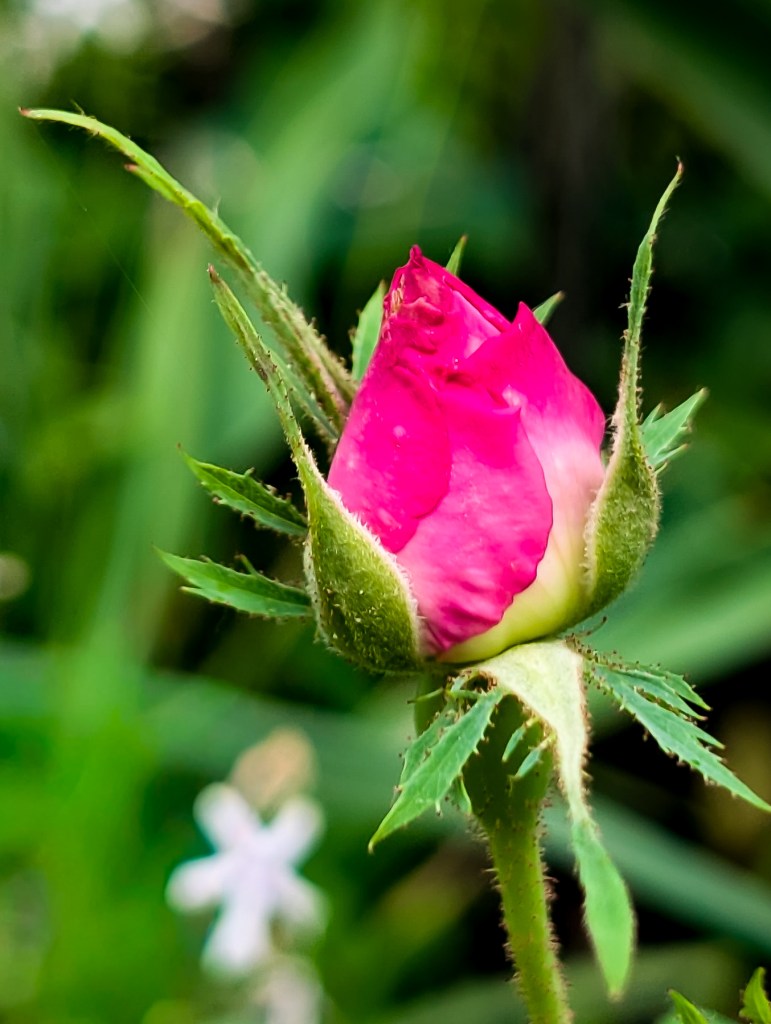
The sharp, mossy texture of the sepals in this image creates a stunning contrast against the saturated pink petals, capturing a quiet moment of anticipation in Washington’s pleasure garden.
Moving through the Upper Garden, I was able to see the full life cycle of the roses. While the buds are full of anticipation, there is something so rewarding about capturing the soft blush of full bloom.
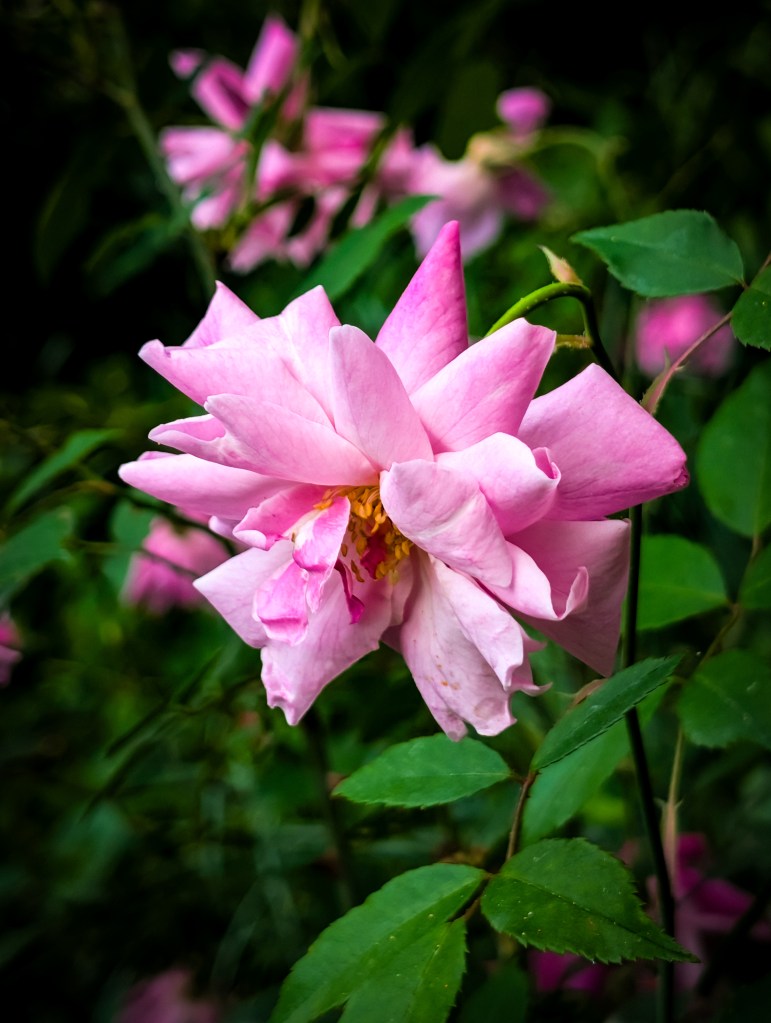
This specific rose—with its ruffled, candy-pink petals and bright golden center—felt like the quintessential ‘pleasure garden’ flower. The way the deep green foliage recedes into a soft blur really allows the flower’s delicate architecture to take center stage.
Admittedly, I had to Google Search to find out what kind of flower this one was. But I was rewarded for my search. This is a snapdragon (Antirrhinum majus), a garden favorite that has been popular in America since the colonial era.
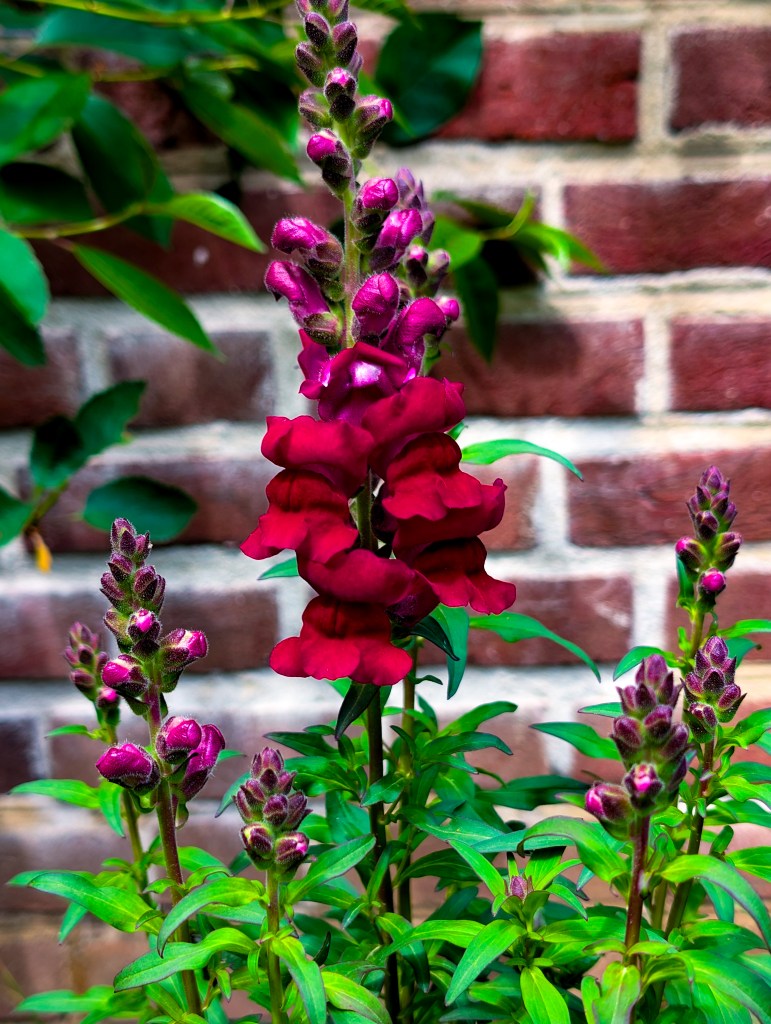
The velvet-red blooms looked almost royal against the historic brickwork of the garden walls. I was particularly fascinated by the texture of the buds—small, fuzzy pods that promise even more color in the weeks to come. It’s these small, vertical pops of color that break up the sprawling green of the estate and make for such interesting close-up subjects.
While the vibrant reds and pinks of the garden often grab your attention first, there is something deeply peaceful about the white roses at Mount Vernon.
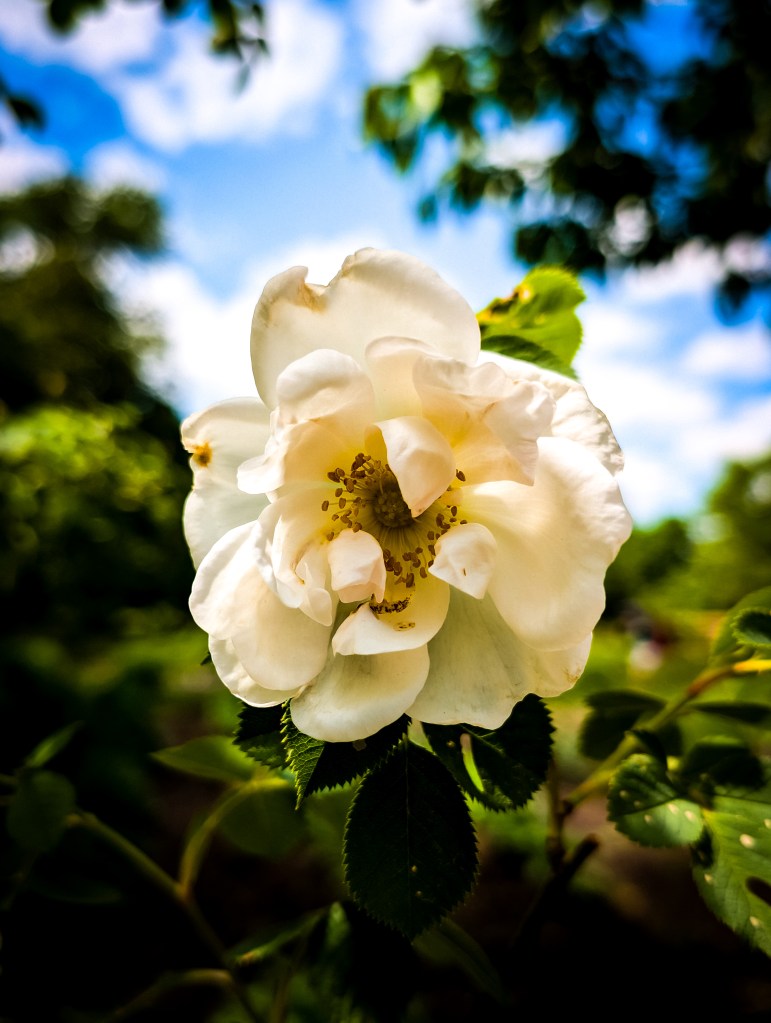
This shot is one of my favorites because of the contrast; the creamy, delicate petals seem to pop against the hint of brilliant blue sky peeking through the canopy. It captures that quintessential spring feeling—crisp, bright, and full of life.
Among the towering roses and grand snapdragons, I found these tiny violas tucked low to the ground. They are easy to miss if you aren’t looking, but they are some of the most intricate flowers in the Upper Garden.
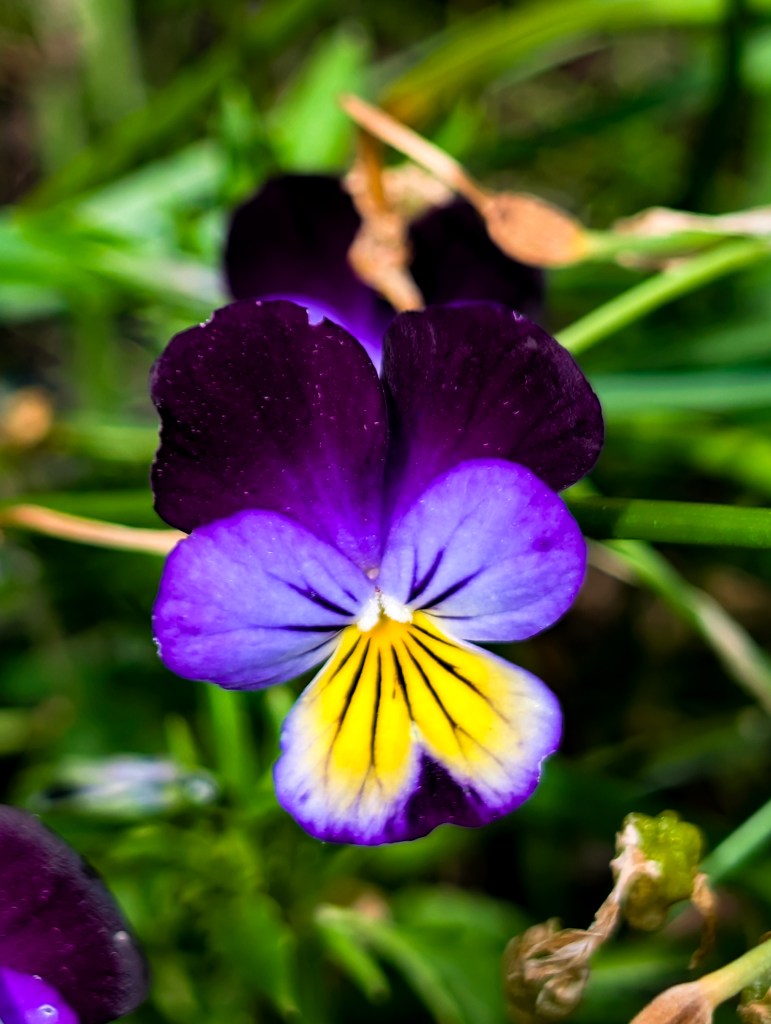
I love the “face” of this bloom—the deep purple top petals and the bright yellow center feel so cheerful. It was a great challenge for my macro photography, forcing me to get down low to capture the fine, vein-like details in the center.
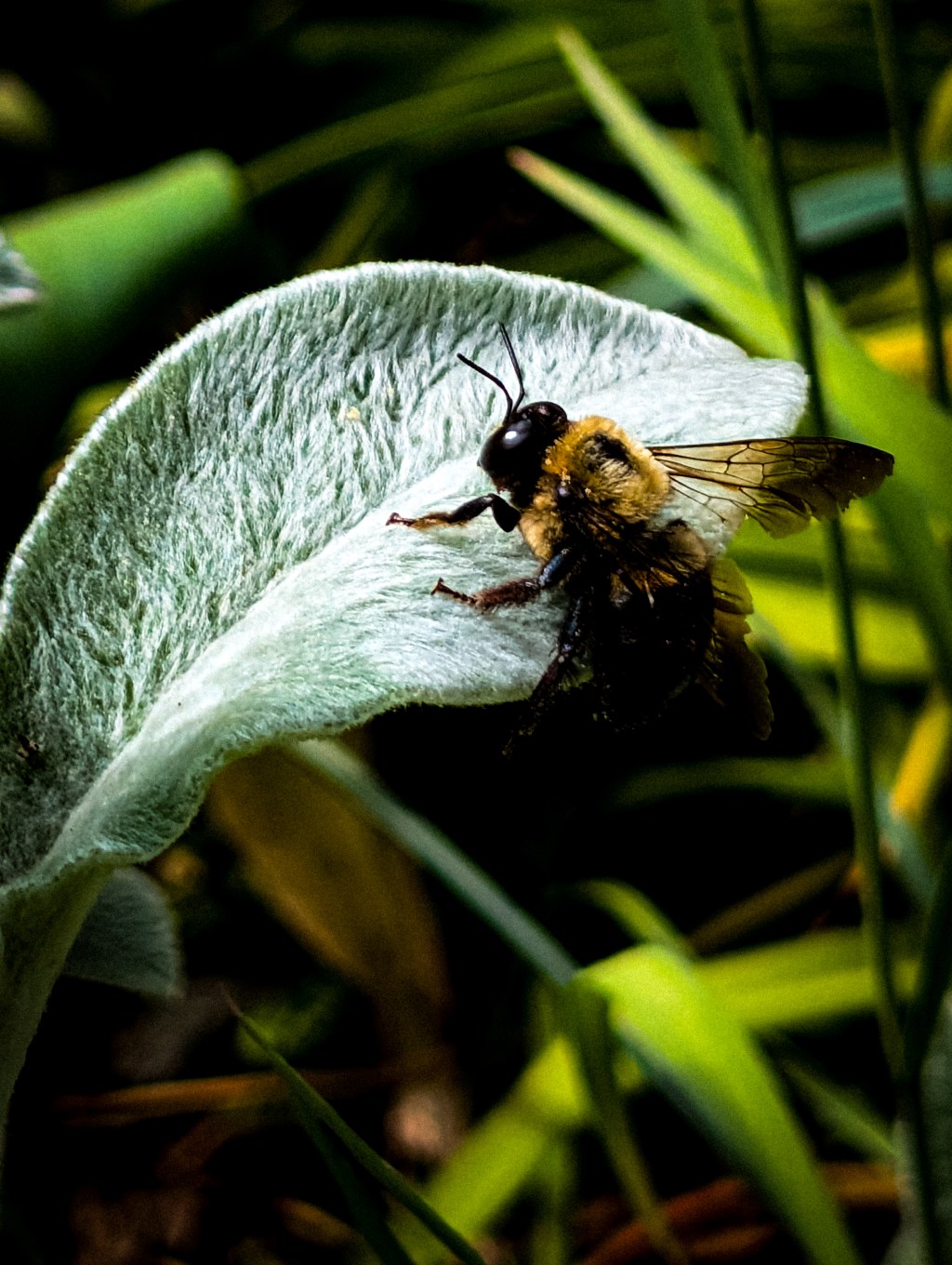
I wanted to end with my favorite shot of the day. While I spent hours admiring the architecture of the mansion and the vibrant colors of the roses, none of those images would be possible without the tireless work of this little fella.
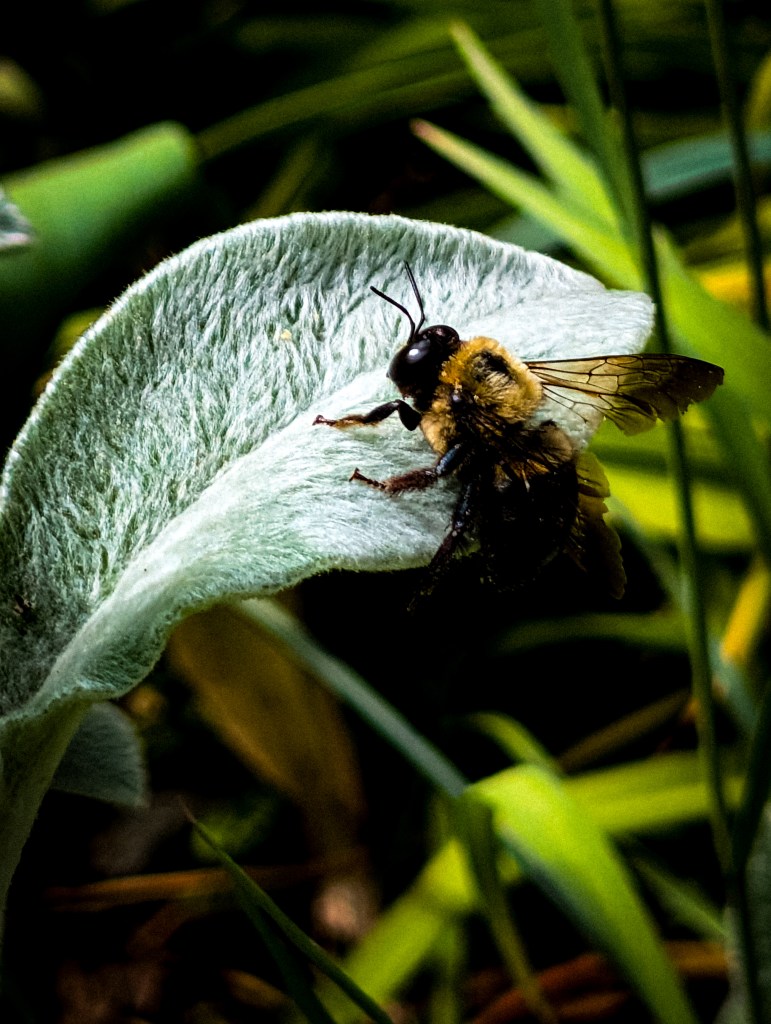
Seeing this bumble bee resting on a soft leaf of Lamb’s Ear was a great reminder of the hidden life that sustains a place as grand as Mount Vernon. It’s easy to get lost in the history and the design, but it’s the quiet, daily labor of pollinators like this one that truly keeps the “pleasure garden” in bloom.





 Girl Who Travels: A Story in Every Frame
Leave a comment