
Travel Date: March 2026
Gulf Coast Crossing: From the Alamo to the Bayou
Yesterday was one for the books. We traded the historic streets of San Antonio for the industrial skyline of the coast, eventually landing in the heart of New Orleans. It was a day of stark contrasts—moving from perfect BBQ to surreal refinery landscapes, wild nature, and miles of marsh.
The Lone Star Stretch
We kicked things off in San Antonio, but it wasn’t exactly a straight shot out of town. We found ourselves navigating several “u-turns in the sky” on those massive overpass bridges. There is nothing quite like being perched that high above the city to get your heart racing before a long haul!
A Pit Stop in Houston
You can’t drive through this part of the country without a serious BBQ intervention. We rolled into Houston just in time for lunch at The Pit Room. The place was packed; the line snaked through the restaurant, out the door, down the walkway, and all the way to the curb. Thankfully, the service was lightning-fast, and we had our meal and a table in no time. Somehow, we even snagged a lone parking spot right by the door! The brisket was delicious and definitely hit the spot, but if I’m being honest, it was no match for the magic of Arnold’s from a few days back. Memphis still holds the BBQ crown for this trip!
Surreal Sights
We took a detour to Port Arthur and Sea Rim State Park to officially say hello to the Gulf of Mexico. It was only an hour’s delay, but well worth the time. We expected to see the water, but despite knowing we were near the refineries, we didn’t realize we’d be driving straight through them.
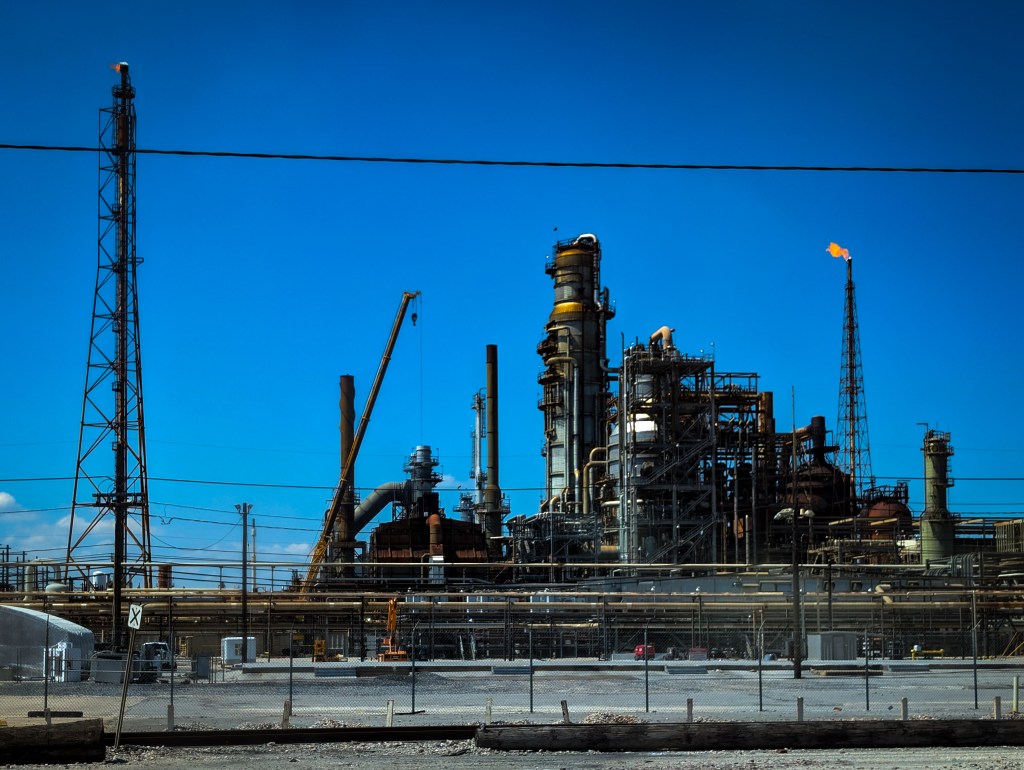
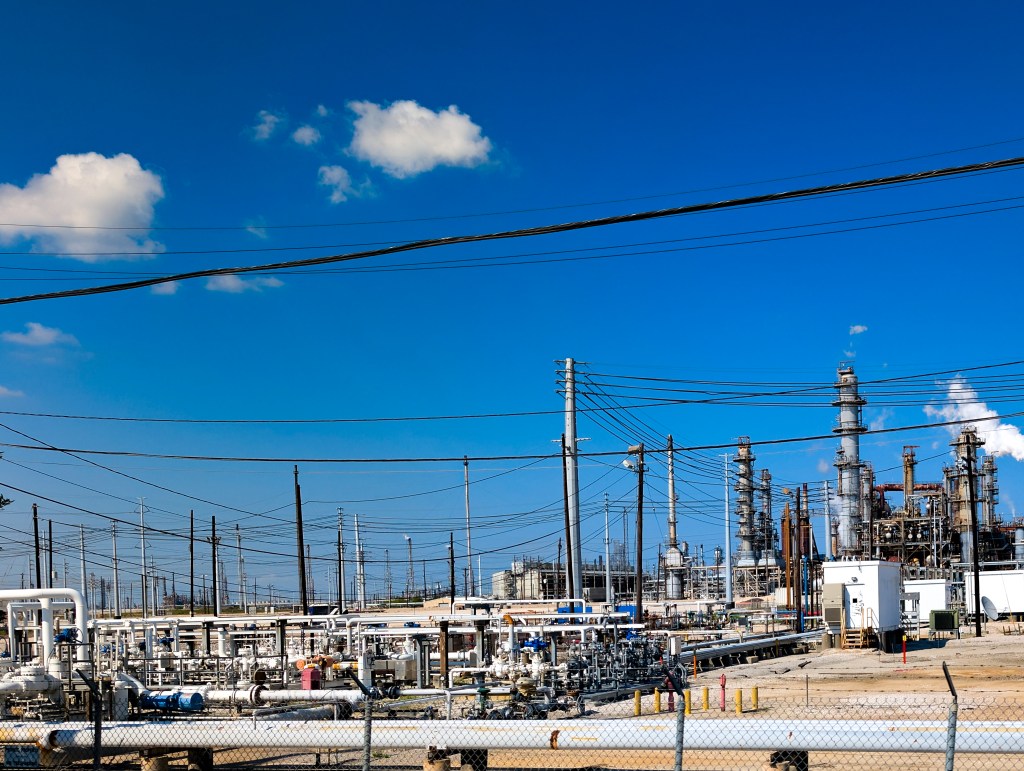
The scenery in Port Arthur is otherworldly; we drove right through the center of massive industrial installations. It felt like we were trespassing, but the line of cars heading the same way suggested we were right where we belonged. Most of the traffic peeled off at the exit for Sabine Pass, leaving us to drive the final several-mile stretch to the State Park in total solitude.
The Gulf of Mexico
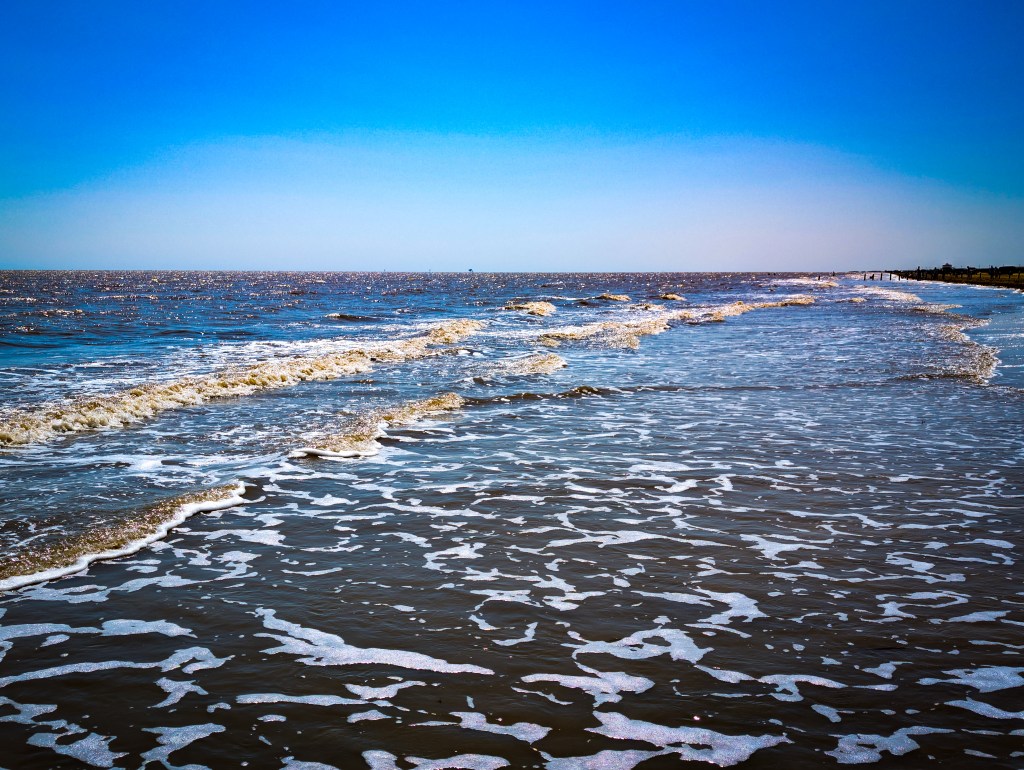
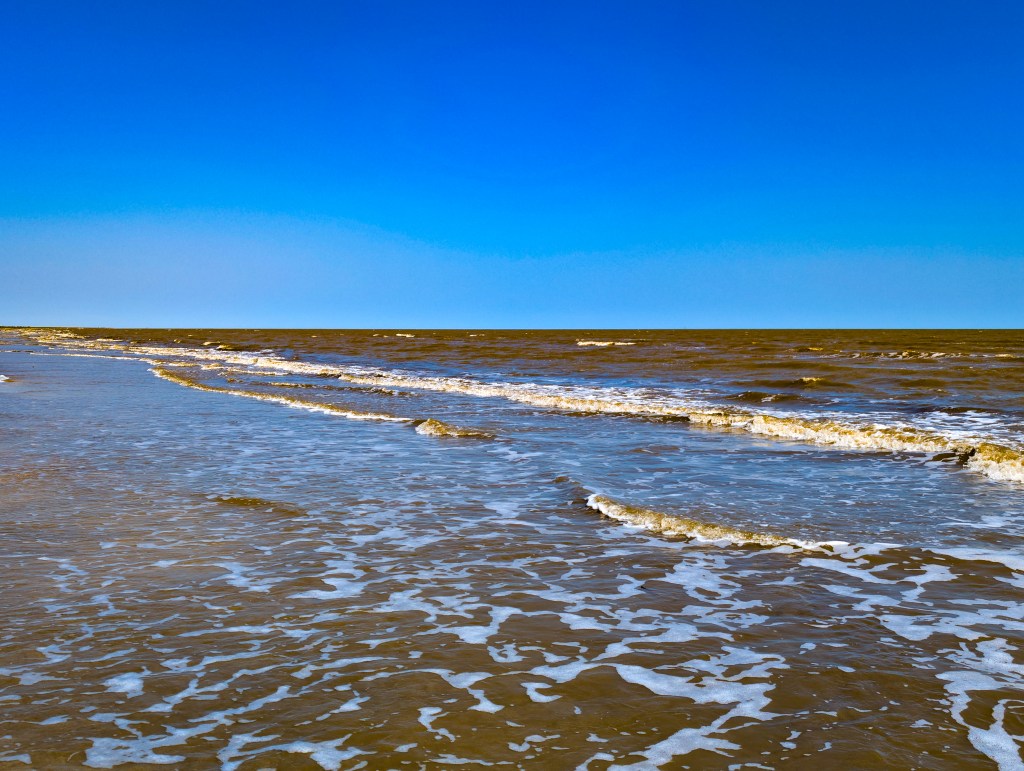
After a long drive down a lonely road, we finally reached the shore. The waves were gentle, and the vast expanse of blue was exactly what we needed. There’s something incredibly grounding about dipping your toes in the surf after hours on the asphalt. Having never seen the Gulf before, I found the experience felt more like visiting the Great Lakes than the Atlantic Ocean. The waves were quiet, the water was warm (even in March), and the breeze was delicate. I could have stood there all day, but we had more road to tread before reaching New Orleans.
Back to the Mainland
The proximity of the coast to heavy industry is striking. One moment you are gazing at the sea, and the next, the horizon is dominated by the complex geometry of steel towers and tangled pipes—like a scene from a sci-fi film. And just to remind us exactly where we were, we even spotted a wild alligator hanging out right outside the refinery!
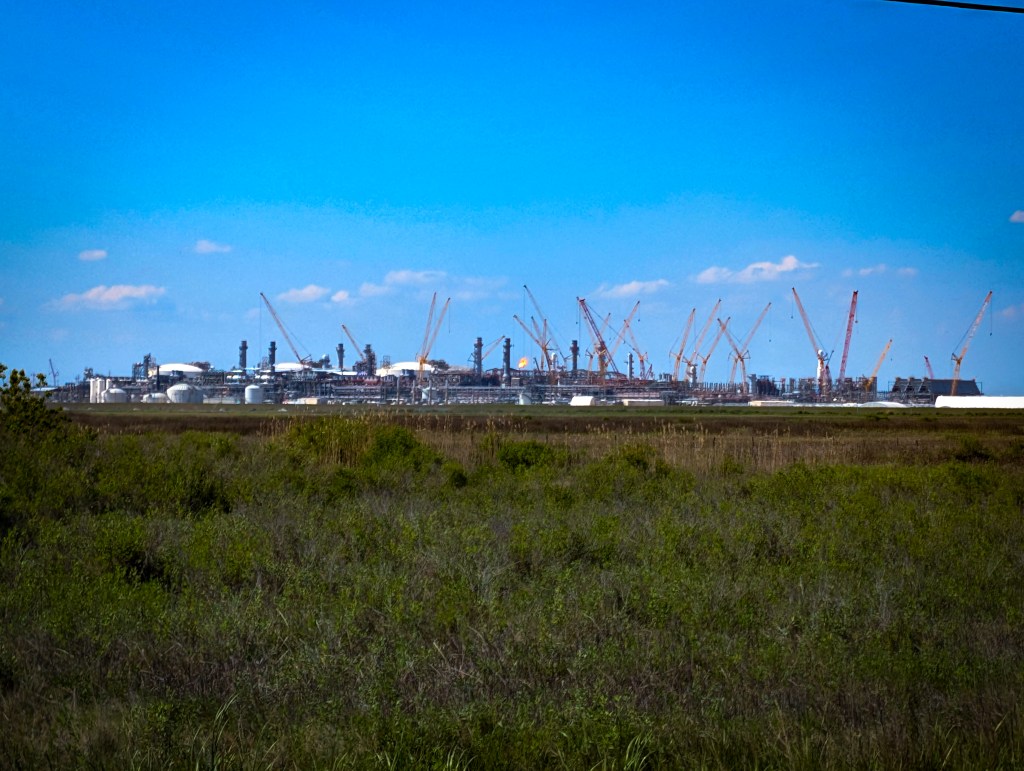
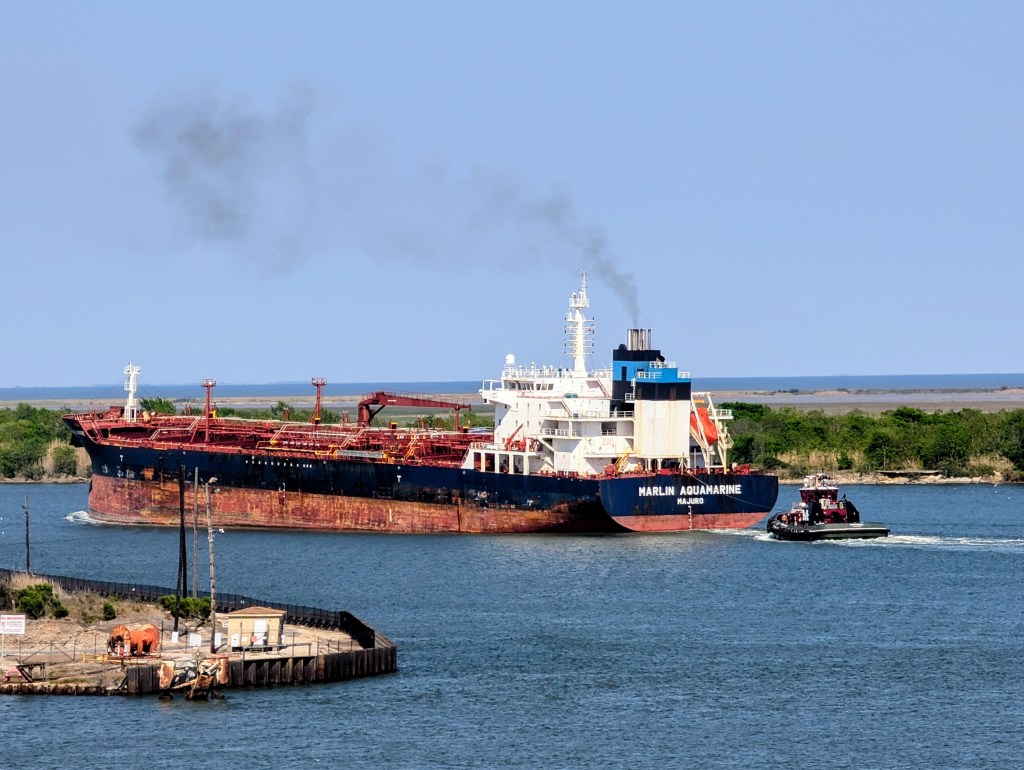
We stopped for gas before hitting the interstate, and the atmosphere was surreal. The area houses an entire self-contained community: a school, a convenience store, a gas station, and likely much more hidden from view. The entire region hums with industrial energy. We even watched a gargantuan ship docked and loading in the harbor—a massive mechanical operation set against a raw, natural backdrop.
Bridge City
On the way out of Port Arthur, we passed through Bridge City. It earned its name because you must cross a bridge to enter the city from any direction. Two stood out in particular. The first was The Rainbow Bridge, once the tallest in the South. Its 5% grade is incredibly steep; it looked like it would be a thrill to drive, but alas, it was carrying traffic in the opposite direction.
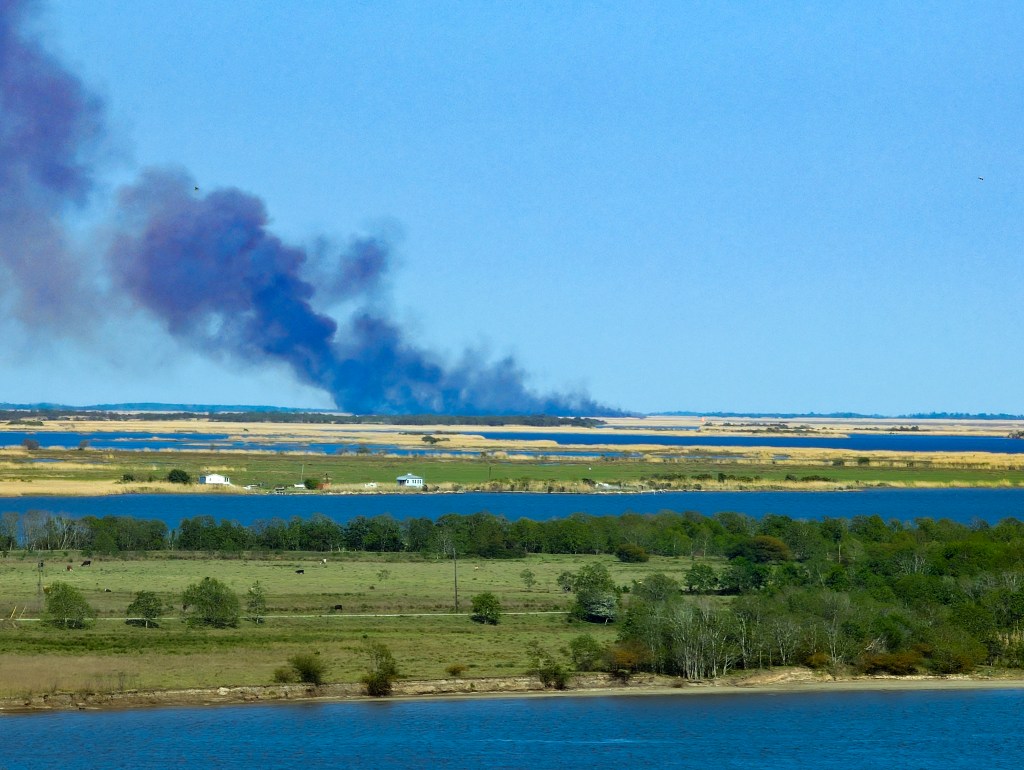
Instead, we crossed the Veterans Memorial Bridge, an engineering marvel in its own right. From its summit, I could see smoke still rising from the Valero Refinery fire—a sobering reminder of how closely industry and nature coexist along this stretch of the coast.
A Historical Detour in Lafayette
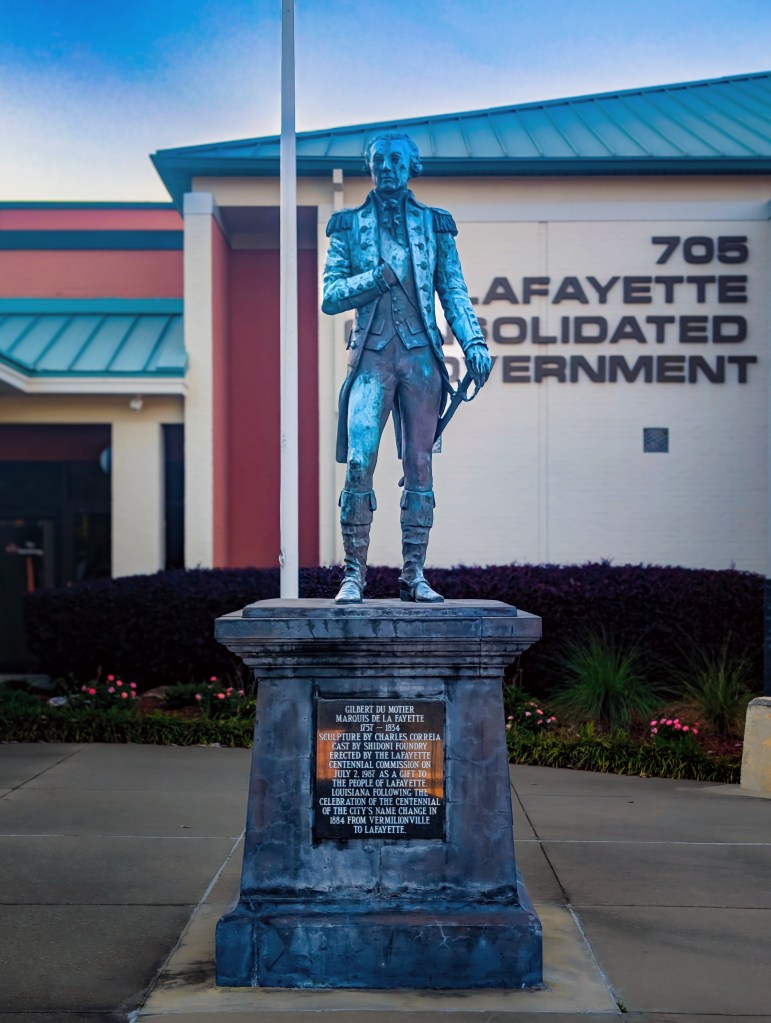
Before reaching the Big Easy, we made one final stop in Lafayette. Given my fascination with this period of history, we couldn’t pass through without visiting the statue of the city’s namesake: Marie-Joseph Paul Yves Roch Gilbert du Motier, Marquis de La Fayette. (What a name, right?) The statue is impressive, and it provided a great moment to stretch our legs and appreciate the French heritage that defines so much of this region.
Atchafalaya Basin Bridge
One of the highlights of the drive was crossing the Atchafalaya Basin Bridge. For a bridge lover like me, it was a dream. We hit the crossing right at sunset, so I snapped photos from the passenger window as the sun dipped below the bayou.
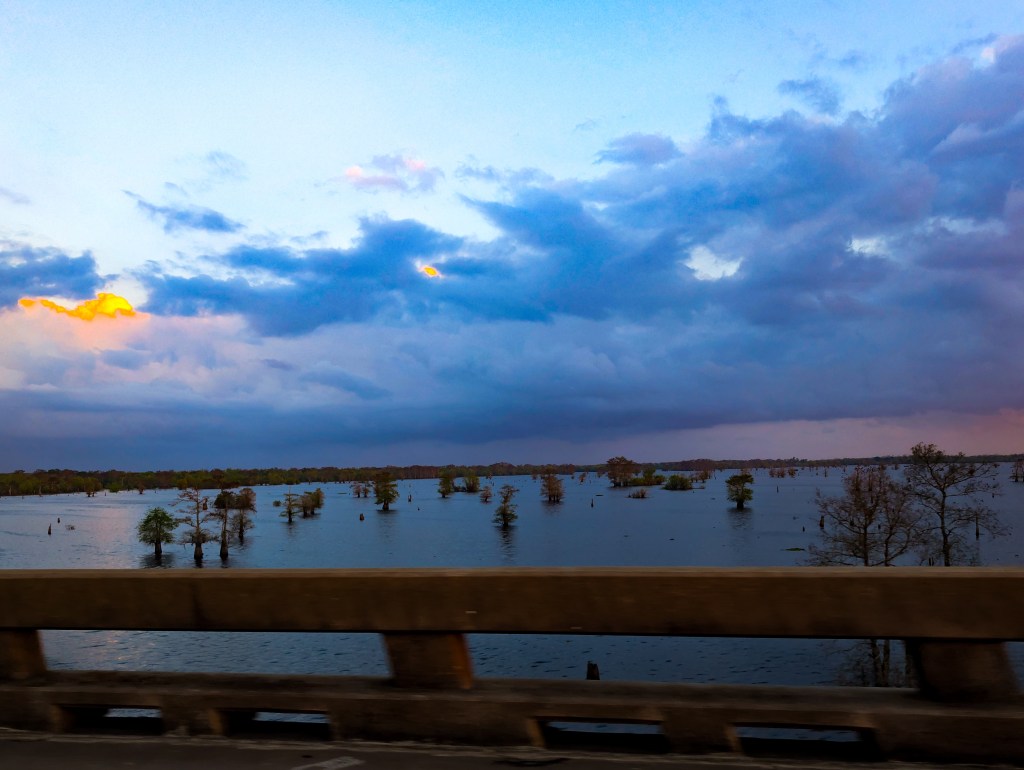
I asked Gemini (my faithful travel companion for this trip) for the specs: the bridge is 18 miles long, making it the third-longest bridge in the U.S. and the 24th-longest in the world. With the water so close and the trees rising from the swamp, it didn’t have the “heart-in-your-throat” exhilaration of the taller bridges, but it felt powerful, graceful, and ancient. On our last day in New Orleans (spoiler alert!), we’ll be crossing the Lake Pontchartrain Causeway, and I’m excited to see how they compare.
Ending in New Orleans
Leaving the industrial giants of Port Arthur behind, we pushed through the marshlands and into New Orleans. The air has shifted from salt and exhaust to that heavy, familiar Louisiana humidity. We’ve officially traded the Texas sun for the bayou, and I’m ready to see what NOLA has in store.
 Girl Who Travels
Leave a comment